Just a Phone Call Away

We’re here to help

If you have any questions regarding an upcoming project, or you simply need to find out distances to combustibles for a stove that you are interested in, please feel free to give us a call as we are happy to help. Please see below for some common FAQ’s.

01728648362

  • Knowledgeable Staff

  • Callouts Available

  • Satisfaction Guaranteed

While Building Regulations Approved Document J outlines standard default clearances for flue pipes and stoves (for example, stating that an uninsulated single-skin flue pipe must be kept a distance of three times its diameter away from combustibles), the manufacturer’s specific guidelines always overrule Document J.

Modern stoves are extensively engineered and safety-tested; if a manufacturer has tested a specific model and explicitly states it can be placed closer to a wall (sometimes as little as 100mm from the rear), that tested distance is legally acceptable. Our team always verifies the exact data plate and manual for your chosen stove to ensure a fully compliant, safe installation.

Choosing the correct kilowatt (kW) output is vital. An oversized stove will make your room uncomfortably hot and force you to run it too low (which causes soot and tar buildup), while an undersized stove won’t heat the space effectively.

Calculating the ideal kW output depends on several overlapping factors: the physical dimensions of the room (width x length x height), the age of your property, how well insulated it is, and whether you have double glazing or open staircases. As a general starting point, you can calculate the room’s volume in cubic metres and divide it by 14 for older, uninsulated homes, or by 20 for modern, highly insulated builds. Our team will calculate this precisely during a site visit.

Yes, absolutely. If your property sits inside a designated Smoke Control Area, you can legally burn wood provided you install a Defra-exempt (smoke exempt) appliance.

The vast majority of modern EcoDesign stoves we supply and fit are fully Defra-approved for use in smoke control zones. To stay entirely compliant with UK law, you must also ensure you are burning certified “Ready to Burn” wood logs with a moisture content of 20% or less, or authorized smokeless mineral fuels.

While it is technically not a strict legal requirement if an old brick masonry chimney is proven to be 100% sound, gas-tight, and flawless, we highly recommend installing a flexible stainless steel flue liner for every new stove installation.

Traditional chimneys are often far too wide for modern, highly efficient stoves. This causes the rising smoke to cool down too quickly, resulting in a poor chimney draw, excessive tar and creosote buildup, and a significantly higher risk of a chimney fire. A correctly sized liner ensures your stove operates safely, draws beautifully, and runs at maximum efficiency.

This depends on the age of your property and the size of the stove you choose. Under standard UK Building Regulations, older, more traditional homes generally do not require an additional air vent if the stove has a heat output of 5kW or less. For stoves over 5kW, a permanent air vent to the outside must be installed to supply adequate combustion oxygen.

However, if your property is a highly insulated modern home built after 2008, an air vent or a dedicated external air supply kit is required by law, regardless of the stove’s kW size.

The primary difference is the way the fuel burns and the internal grate design. Wood burns most efficiently on a flat base, sitting on a bed of its own ash with oxygen circulating from above. Dedicated wood-burning stoves are designed with a solid, flat base to accommodate this.

Multi-fuel stoves are built to burn both logs and smokeless coal. Because coal requires oxygen to flow up from directly beneath the fire to burn effectively, multi-fuel stoves feature a raised grate system and a removable ash pan below it to catch the debris.

If you are using your stove or open fire regularly throughout the colder months, your chimney should be professionally swept at least once a year—ideally just before the autumn/winter burning season begins.

Regular sweeping is essential to clear out accumulated soot, highly flammable creosote, and potential blockages like bird nests, ensuring your flue draws safely and reducing the risk of a dangerous chimney fire. If you use your appliance heavily or burn wood that isn’t fully dry, it may require sweeping twice a year.

No, you should strictly avoid burning treated wood, painted timber, MDF, or old construction pallets. These materials are regularly treated with chemical preservatives, adhesives, or varnishes that release highly toxic fumes into your home and the local environment when burned.

Furthermore, these burning chemicals leave behind highly corrosive chemical deposits that can rapidly etch and cloud your stove’s glass, warp the internal baffle plates, and permanently damage your stainless steel chimney liner, voiding its warranty. Stick exclusively to clean, dry, seasoned or kiln-dried hardwood logs.

Read the latest news below

  • 254 words1.4 min read

    If you live in East Suffolk, you’ll be well aware of the ongoing construction surrounding the Sizewell C project and the resulting roadworks. While we know the prospect of road closures and traffic management can be frustrating, we want to reassure all our customers: Suffolk Stoves remains fully open and trading as normal.
  • 255 words1.4 min read

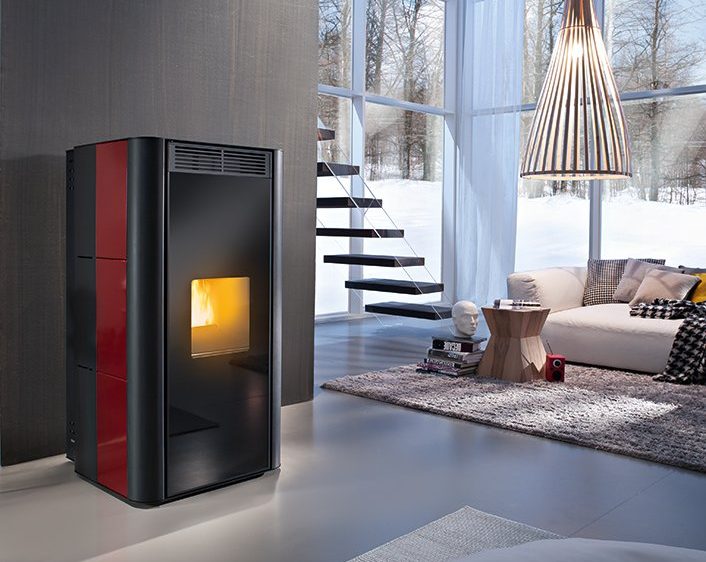
    At Suffolk Stoves, we are always looking for innovative ways to keep your home warm, efficient, and effortlessly stylish. That is why we are thrilled to announce that we are expanding our range to include wood pellet stoves.
  • 252 words1.4 min read

    The ECODesign Regulation is a piece of legislation that came into effect on January 1st, 2022, across the UK and Europe. It sets strict standards for solid fuel heating appliances, demanding significantly lower emissions and vastly improved energy efficiency.